Alex Honnold, a name synonymous with audacious free solo climbing, recently captured global attention with his ascent of the Taipei 101 skyscraper. While this feat, completed in approximately 91 minutes on January 23, 2026, was undoubtedly impressive and widely featured, it is important to contextualize it within his extraordinary career . For many in the climbing world, Honnold's 2008 free solo of the Northwest Face of Half Dome in Yosemite National Park remains a defining moment, showcasing a level of skill and mental fortitude that few can comprehend
The Half Dome Legacy: A Defining Moment
In September 2008, Honnold achieved what many considered impossible: a rope-free ascent of the Regular Northwest Face of Half Dome. This 23-pitch route, graded 5.12a, took him 2 hours and 50 minutes to complete. This monumental climb not only solidified his reputation as a climbing legend but also brought free solo climbing into the mainstream consciousness.The sheer scale and technical difficulty of Half Dome's Northwest Face made this ascent a benchmark in the sport, a testament to human limits pushed to their absolute edge.
The North Face and Half Dome: An Iconic Connection
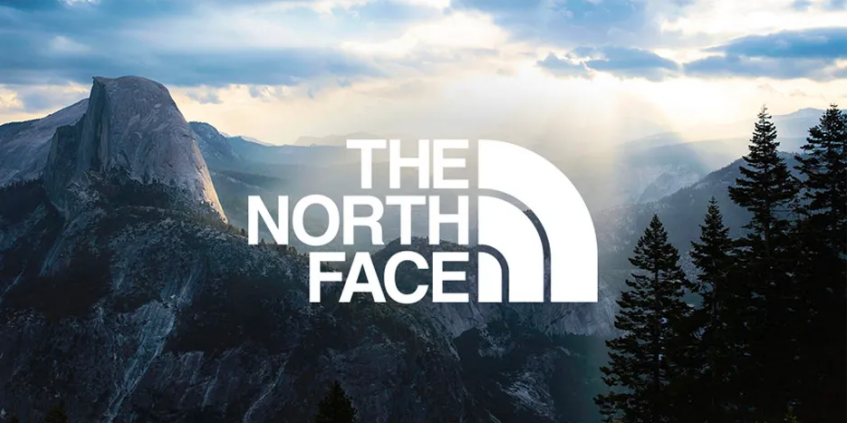
Interestingly, Half Dome holds another significant, albeit less direct, connection to popular culture through an iconic brand: The North Face. The distinctive logo of The North Face, often mistaken for abstract lines, is in fact a direct homage to the Half Dome. Designed by David Alcorn in 1971, five years after the company's founding, the logo's three curved lines represent the silhouette of Half Dome as viewed from its challenging Northwest Face .This design choice is deeply symbolic. The name "The North Face" itself refers to the coldest, iciest, and most formidable side of a mountain in the Northern Hemisphere, symbolizing the brand's commitment to providing gear capable of withstanding the most extreme conditions. Alcorn's design, with its slightly modified Helvetica Bold typeface and upward-moving arcs, perfectly encapsulates this spirit, bridging the gap between hardcore mountaineering heritage and contemporary urban style.