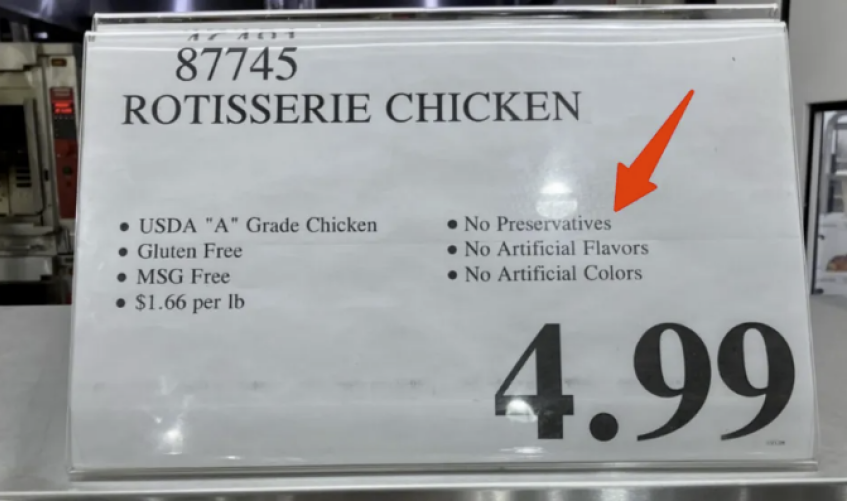
Two California consumers have filed a lawsuit against retail giant Costco, alleging that the company misled shoppers by labeling its popular $4.99 rotisserie chicken as "preservative-free". The legal challenge centers on the inclusion of two common food additives: sodium phosphate and carrageenan.
While these ingredients are FDA-approved and found in tens of thousands of American food products to maintain moisture and texture, the plaintiffs argue their presence contradicts Costco’s marketing claims.
Expert Opinions on Health Risks
Health experts, including Dalia Perelman, a research dietitian at Stanford University, suggest that for most healthy individuals, occasional consumption of these additives poses no significant risk. The human kidneys are generally efficient at processing and excreting excess phosphates.
However, there are specific considerations for certain groups:
-
Kidney Health: Individuals with impaired kidney function should be cautious, as their ability to filter added phosphorus—which is absorbed more easily than naturally occurring phosphorus—is diminished.
-
Digestive Sensitivity: While carrageenan is a natural seaweed extract used as a thickener, some animal studies suggest high doses may affect the gut. People with existing gastrointestinal issues might be more sensitive to it.
Costco’s Response
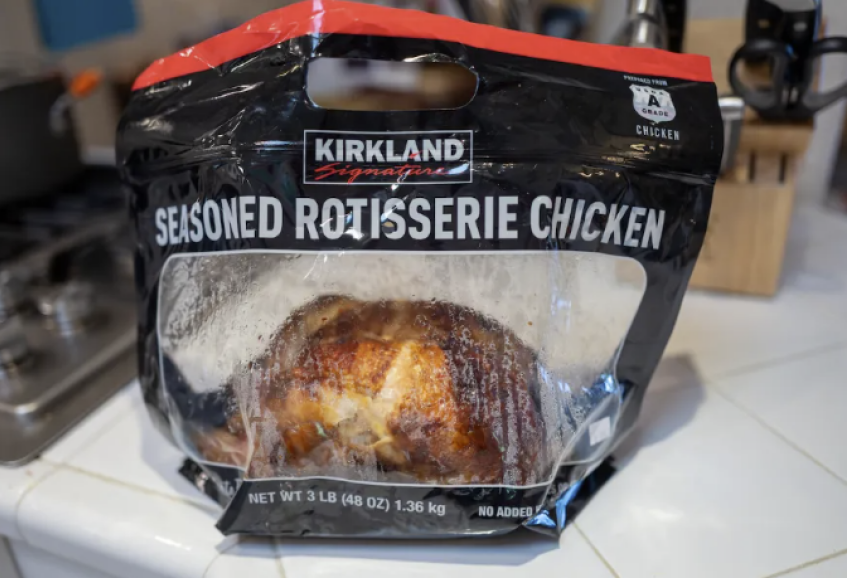
Costco has clarified that sodium phosphate and carrageenan are used to ensure the chicken remains moist and consistent in quality during the cooking process, rather than for preservation. In response to the controversy, the company has already begun removing "preservative-free" claims from various product labels and online descriptions.
Thomas Galligan from the Center for Science in the Public Interest noted that consumers don't necessarily need to stop eating the chicken. He suggested that the high sodium content might be a more pressing nutritional concern than the additives themselves.